
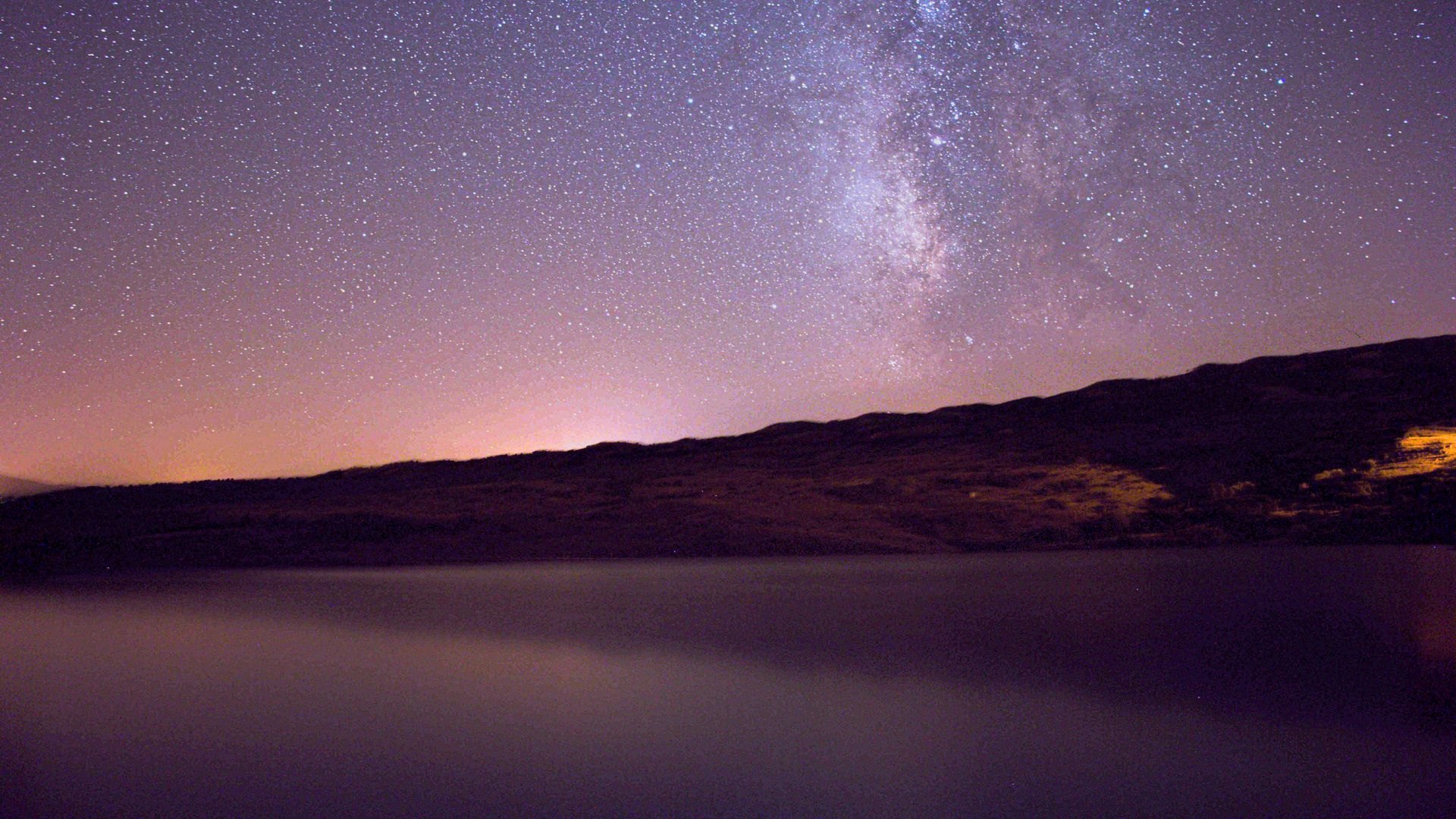
Two Scottish beauty spots have been singled out as some of the strongest places in Europe for watching the night sky, according to a new comparison of 30 certified destinations.
The appeal is easy to understand. Away from streetlights and illuminated buildings, familiar constellations become sharper, the Milky Way can emerge overhead and even a simple pair of binoculars can reveal a surprising amount of detail.
For UK travellers, the research also shows that an impressive stargazing break may be closer, and easier to arrange, than expected.
Two Scottish sites make the top 11
Compiled by Avanti Travel Insurance, the index examined 30 recognised dark-sky destinations across Europe and scored their suitability for astrotourism.
The calculation combined light-pollution levels with annual sunshine, altitude and the visitor facilities available at each location.
Both of Scotland’s entries finished comfortably inside the upper half of the table:
- Tomintoul & Glenlivet Dark Sky Discovery Site finished fifth overall, scoring 6.79 out of 10 and leading the Scottish contenders.
- Galloway Forest Dark Sky Park recorded 6.54 points, enough to claim 11th position.
Their results put Scotland firmly on the European astrotourism map and give domestic holidaymakers two high-ranking options without the cost or logistics of travelling abroad.
Elsewhere in the UK, Wales narrowly followed the leading Scottish site: Elan Valley Dark Sky Park took sixth place. Yorkshire Dales Dark Sky Reserve was England’s highest entry in 15th, while Northumberland International Dark Sky Park came 17th.
Sarah Rodrigues, a travel expert at Avanti, linked the rise of astrotourism with growing interest in unhurried, experience-led holidays. She said travellers can find memorable skies close to home, but should plan around cloud cover and the moon: a clear forecast and darker lunar phase can make a marked difference to what is visible.
She added that night-sky trips often lead people beyond crowded resorts, whether they choose a Canary Islands observatory or a quiet reserve in the Scottish countryside.
La Palma takes the European crown
The overall winner was Reserva Starlight La Palma in Spain, which achieved 9.14 out of 10.
The island became the world’s first Starlight Reserve and was among the earliest places to introduce legal protection for astronomical observing conditions. Clear weather and the high-altitude Roque de los Muchachos Observatory strengthened its result.
France supplied the next two names in the ranking, with Réserve Internationale de Ciel Étoilé du Pic du Midi in second and Alpes Azur Mercantour Dark Sky Reserve in third.
Why Scotland works for a night-sky escape
A dark-sky holiday does not need to revolve solely around astronomy. In Scotland, the hours before sunset can be spent walking, exploring villages or sampling local food, with the main spectacle beginning only after dusk.
That combination makes the two ranked sites practical choices for a short break as well as dedicated observing trips. There is no timetable once night falls: visitors simply need a suitable viewpoint, enough darkness and patient eyes.
For those deciding between an overseas astronomy holiday and a closer-to-home escape, the ranking suggests Scotland can deliver the essential ingredient – an unusually dark sky – alongside the scenery of a countryside stay.
Zoltan Trenovszki, an astronomy enthusiast and managing director of 365 Astronomy, said the quality of darkness is more important than a picturesque setting alone.
He noted that stray artificial light can overwhelm faint celestial objects, even at an otherwise attractive viewpoint. Heading for an officially recognised dark-sky location greatly improves the odds of seeing more.
How to get more from a stargazing night
- Begin with the location: a certified dark-sky park or reserve offers the best protection from surrounding glare.
- Allow 20 to 30 minutes for your eyes to become properly accustomed to the dark, keeping phones and bright torches out of sight during that period.
- If illumination is unavoidable, choose a dim red light because it is less disruptive to night vision.
- Check two things before leaving: expected cloud cover and the moon’s phase. Clouds block the view, while a bright moon can hide less luminous stars.
- Do not assume a telescope is necessary. Under a dark sky, unaided observers may spot planets, meteor trails, constellations and the band of the Milky Way.
- For a first piece of equipment, binoculars are portable, intuitive and capable of bringing many more objects into view.
- To detect a particularly faint object, direct your gaze slightly to one side rather than fixing on it.
- This ‘averted vision’ method uses the retina’s more light-sensitive outer areas and can make a weak point of light easier to detect.
